

Key Errors Homeowners Make When Managing Domestic Employees
Managing domestic employees can transform a household into a well-organized, smooth-running environment, yet it can also bring unexpected challenges when handled poorly. Many homeowners step into this role without clear strategies, assuming that hiring skilled staff alone will solve operational demands. In reality, effective management requires communication, structure, and consistency. Without these, even highly capable employees may struggle to meet expectations. For those exploring professional support options like a high-end nanny agency in Miami, it becomes clear that successful households rely on more than talent—they depend on proper oversight. Understanding the most common errors homeowners make can help prevent misunderstandings, improve staff performance, and create a more balanced and productive home environment.
Failing to Set Clear Expectations

One of the most common mistakes homeowners make is not defining roles and responsibilities from the start. Without clear expectations, domestic employees may interpret their duties differently, leading to confusion and inconsistent results. A housekeeper may prioritize cleaning tasks differently than expected, or a nanny may not fully understand scheduling preferences. This lack of clarity often creates frustration on both sides. Clear communication from the beginning helps establish structure. Written job descriptions, daily routines, and regular discussions allow staff to perform confidently and reduce the risk of repeated misunderstandings.
Poor Communication Practices
Communication plays a central role in any working relationship, yet it is often overlooked in household management. Some homeowners assume that instructions are understood without confirming, while others provide feedback too late or not at all. This can lead to small issues growing into larger problems over time. Employees may feel uncertain about their performance, and tasks may not be completed as expected. Maintaining open and consistent communication encourages transparency. Regular check-ins, clear instructions, and respectful feedback create a more cooperative environment where employees feel supported and aligned with household goals.
Ignoring Professional Boundaries
Domestic employees often work in close proximity to homeowners, which can blur the line between personal and professional relationships. While a friendly atmosphere is important, failing to maintain boundaries can create complications. Some homeowners become overly informal, while others expect staff to be available at all times. Both situations can lead to discomfort and unclear expectations. Respecting professional boundaries helps maintain a healthy working environment. Establishing work hours, respecting personal time, and treating employees with professionalism builds mutual respect and long-term stability.
Overloading Staff with Multiple Roles
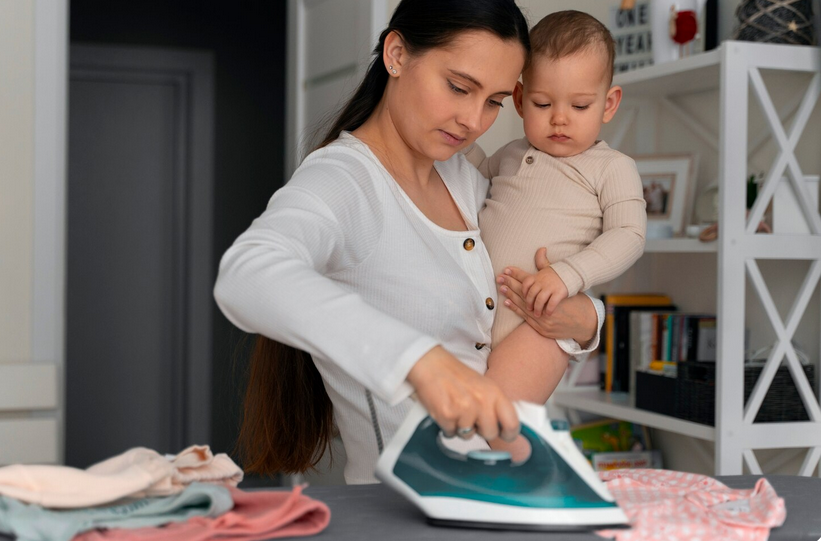
Another frequent error is assigning too many responsibilities to one employee. While it may seem efficient to combine roles, this approach can reduce overall performance and lead to burnout. For example, expecting a nanny to also manage housekeeping duties or administrative tasks can divide focus and reduce effectiveness in both areas. Over time, this can impact job satisfaction and staff retention. A better approach is to define realistic workloads based on each employee’s expertise. Balanced task allocation allows staff to perform at a higher level and maintain consistency in their work.
Skipping Proper Hiring and Vetting Processes
Hiring the wrong person is one of the most costly mistakes a homeowner can make. Rushing the hiring process or relying on limited background checks can result in mismatched skills or unreliable performance. Without proper vetting, homeowners may face challenges such as poor work quality, lack of reliability, or difficulty integrating staff into the household. Taking time to assess experience, verify references, and evaluate compatibility with the household environment is essential. Professional placement services can help match the right candidates with specific household needs, reducing the risk of future issues.
Managing domestic employees effectively requires more than hiring skilled individuals. Clear expectations, strong communication, balanced workloads, professional boundaries, and careful hiring practices all play a role in creating a successful household environment. By avoiding these common errors, homeowners can build a more efficient, respectful, and productive relationship with their staff, leading to smoother daily operations and long-term satisfaction for everyone involved.…
Continue Reading