The Truth About Open-Concept Living Spaces
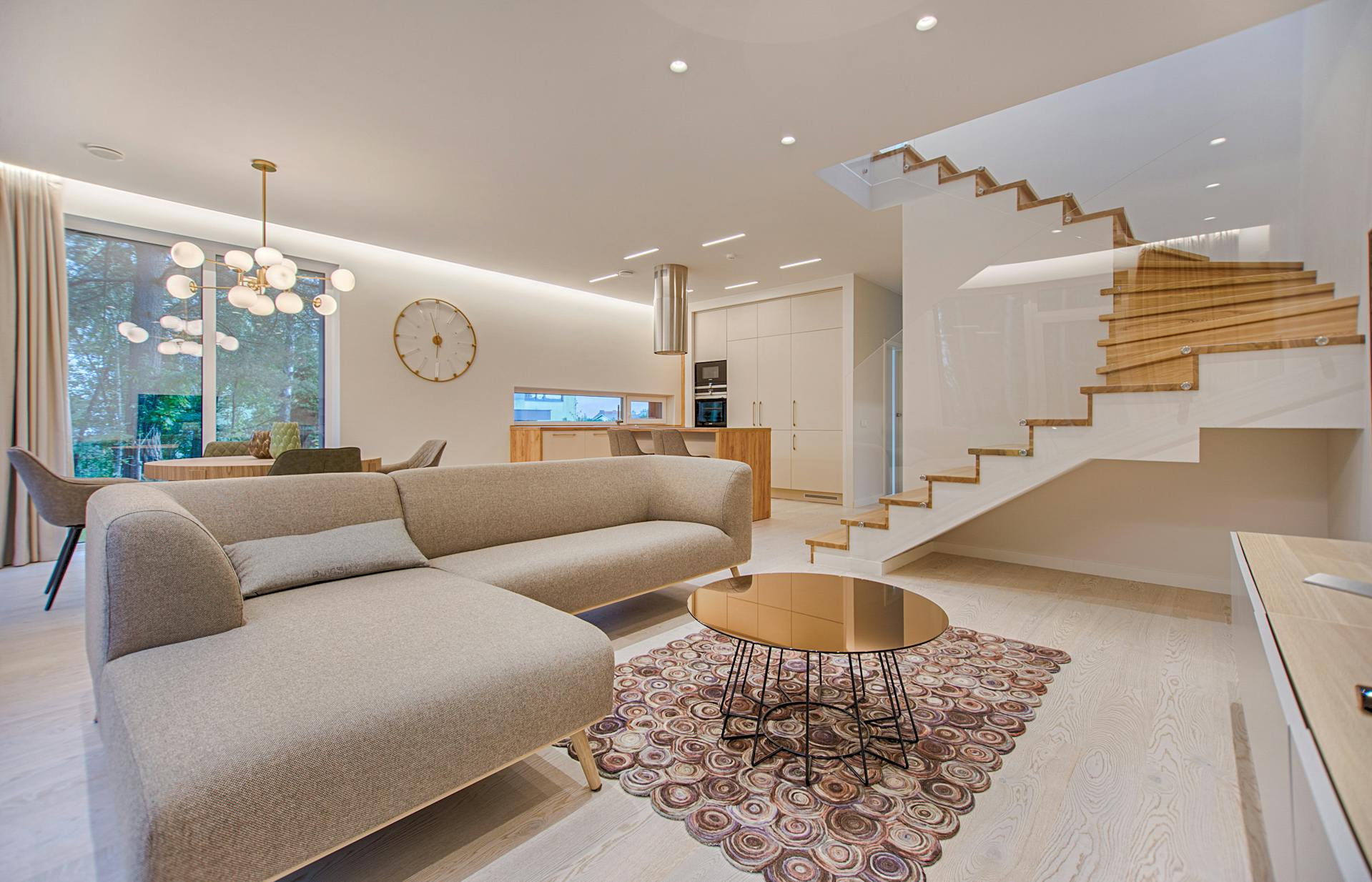
Open-concept living has become one of the most popular trends in modern home design. By removing walls and combining areas like the kitchen, dining, and living room into one large space, these layouts create openness and connection. They promise a modern lifestyle, but they also bring challenges that homeowners often discover later. Understanding both the benefits and drawbacks can help you decide if this design works for your home.
Why People Love Open-Concept Living
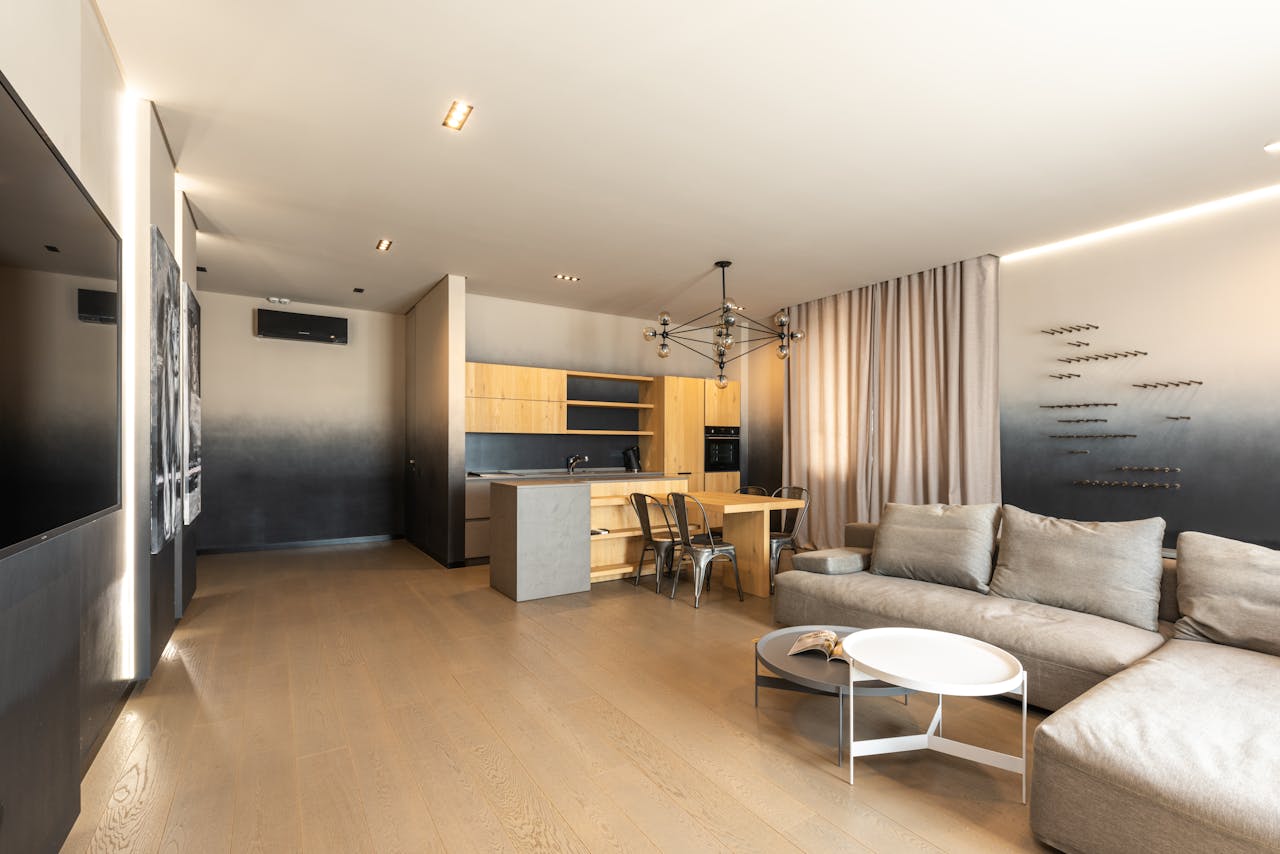 The biggest attraction is the sense of space. Without walls breaking up the floor plan, even small homes feel larger and brighter. Natural light flows more freely, and the layout creates a welcoming atmosphere. Families enjoy the convenience too—parents can cook in the kitchen while watching children in the living room, and entertaining feels more inclusive since everyone shares the same space.
Flexibility in Design
An open floor plan gives homeowners freedom to adapt their space. Furniture can be arranged in different ways to suit family needs or social gatherings. The layout also encourages a seamless flow between zones, allowing you to design a space that reflects your lifestyle. This adaptability is one reason open-concept living has become the hallmark of contemporary homes.
The Hidden Challenges
For all its appeal, openness comes with drawbacks. Noise is one of the biggest problems. Without walls to block sound, voices, televisions, and kitchen activities spread across the entire area. Privacy is another issue—there are fewer quiet corners for work or relaxation. Clutter is also harder to hide. Since the kitchen is fully visible, keeping it clean becomes essential to maintaining the home’s overall look.
Energy and Practical Concerns
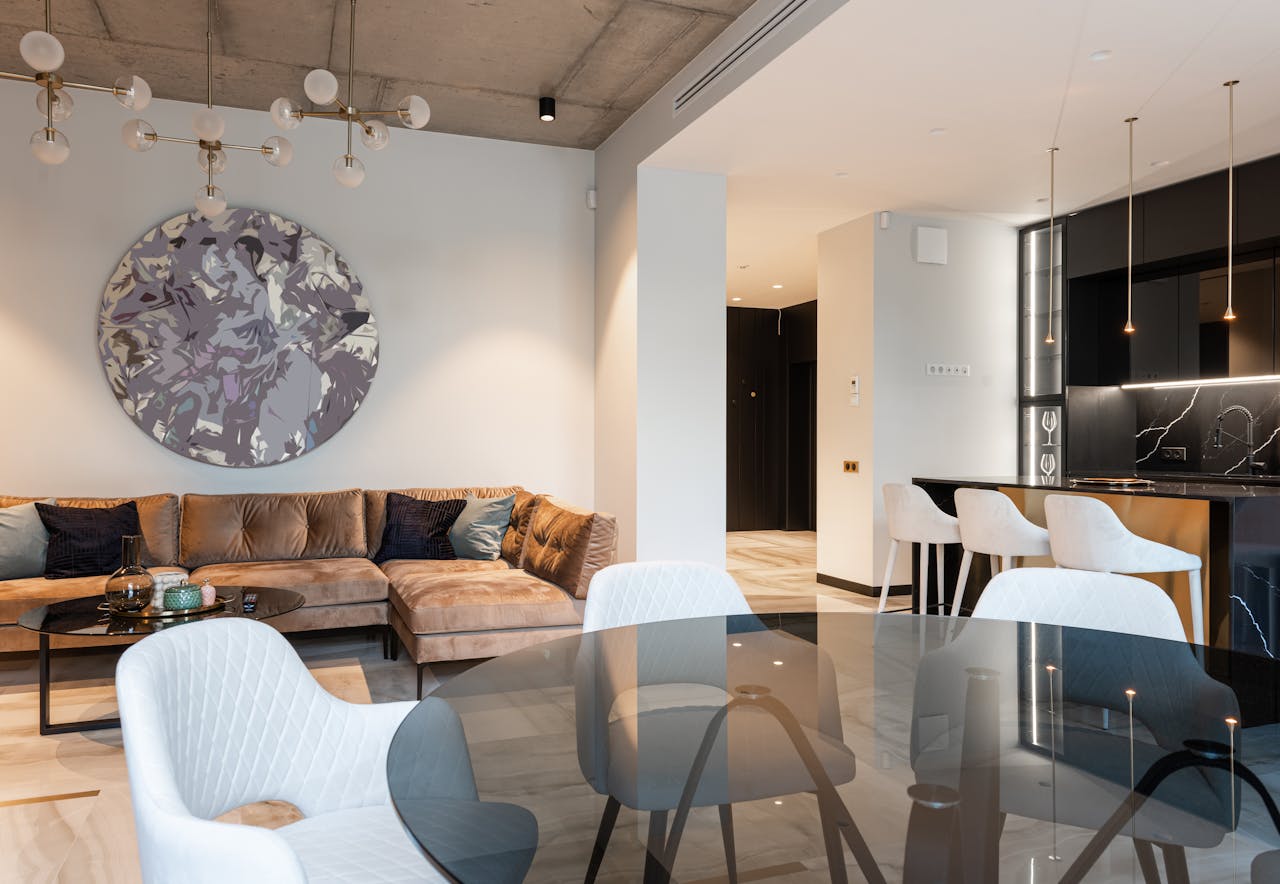
Large open areas can be harder to heat or cool efficiently. It often leads to higher energy bills, especially in homes with vaulted ceilings. Furnishing an open space also requires careful planning. Defining different zones without walls can be tricky, but rugs, lighting, and furniture placement can help create structure. Without these design strategies, the room may feel unfinished or overwhelming.
Finding the Middle Ground
For homeowners who are okay with openness but want more control, “broken-plan” layouts are a smart alternative. These designs utilize half walls, shelves, sliding doors, or glass partitions to divide spaces while keeping the airy feel. They reduce noise, add privacy, and make heating or cooling more efficient. This balance allows you to enjoy the benefits of openness without the frustrations.
Open-concept living offers light, space, and flexibility, making it a favorite for modern homes. Nonetheless, it also brings challenges such as noise, privacy, and practicality. By weighing both sides and exploring options like broken-plan layouts, you can create a home that is stylish and functional. The truth is that open spaces are not a one-size-fits-all solution, but with thoughtful design, they can provide comfort, efficiency, and beauty for years to come.…
Continue Reading